Demystifying Battery Memory Effect: How STIHL Lithium-ion Batteries Defy the Odds
Have you ever wondered why some batteries seem to lose their energy capacity over time with repeated charging? This phenomenon is known as the memory effect, and it has troubled many users of cordless power tools for years. In this blog, we’ll delve into the history of battery memory effect, its impact on battery performance, and how STIHL’s cutting-edge lithium-ion batteries have successfully overcome this issue. Say goodbye to worrying about partial charges and let’s explore the world of battery memory effect together.
The Discovery of Battery Memory Effect in the 1960s: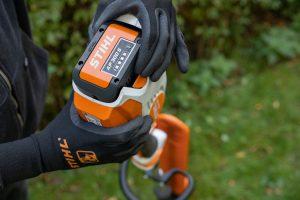
In the 1960s, engineers working on a satellite project stumbled upon a peculiar behavior exhibited by certain batteries. When repeatedly partially discharged to 25% and then fully recharged, these batteries showed a significant loss of capacity over time. The engineers termed this phenomenon “battery memory effect.” To explain it in simpler terms, it’s like adding a false bottom to a suitcase, limiting the available storage space for new items and preventing access to previously packed items. Similarly, batteries affected by memory effect lose the ability to utilize their previously charged residual power, resulting in reduced voltage and ultimately impacting the performance of cordless power tools.
The Culprits of Voltage Drops:
While memory effect is one of the factors contributing to voltage drops in some batteries, it’s not the only one. Overcharging, deep discharging, and overheating can also lead to reduced charged voltage and affect battery performance. However, fear not, as STIHL’s lithium-ion batteries come equipped with built-in preventative measures to combat these issues effectively. STIHL chargers automatically turn off when the battery is fully charged to prevent overcharging, and advanced cooling features ensure optimal battery temperature during charging.
 Susceptible Batteries: Nickel-Cadmium Batteries (NiCd):
Memory effect is most commonly observed in nickel-cadmium batteries (NiCd), which were widely used in cordless tools in the past. The memory effect in these batteries is caused by the formation of crystals on the cadmium cathode, hindering conductivity and leading to voltage decrease over time. However, rest assured, NiCd batteries are now rare, and modern cordless tools like STIHL’s are powered by advanced lithium-ion batteries that offer remarkable advantages.
STIHL’s Lithium-ion Batteries: The Game Changers:
STIHL has taken battery technology to new heights by exclusively employing advanced lithium-ion batteries. These batteries are not only lighter and more powerful than their predecessors, but they are also almost completely immune to the memory effect. Thanks to cutting-edge materials and technology used in the battery cells, STIHL lithium-ion batteries show no appreciable voltage decrease even after repeated partial discharges. This means you can charge them at any time without worrying about memory effect or the need for clever charging techniques. Whether it’s a quick charge between jobs or charging to full capacity, STIHL’s lithium-ion batteries remain unaffected and ready to power your cordless tools at their best.
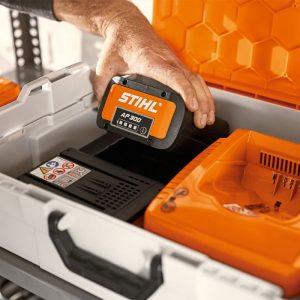 In summary, battery memory effect is a phenomenon that has troubled certain battery types in the past, but modern advancements in battery technology have rendered it almost obsolete. With STIHL’s lithium-ion batteries, you can enjoy a hassle-free experience, knowing that memory effect is not an issue. Say goodbye to unnecessary worries about partial charging, and embrace the convenience and performance of STIHL’s high-quality lithium-ion batteries for all your cordless power tool needs.
more information click here