What is a lawn scarifier and how to use it
Want to transform your lackluster lawn into a lush green paradise? Enter the lawn scarifier! If you’re not familiar with this nifty tool, let me break it down for you. Essentially, scarifying involves using a special machine or a spring-tined rake to break up and remove any moss or thatch covering the surface of your lawn. This is a fantastic way to give your grass a new lease on life by letting much-needed light and air reach the roots.
But the benefits don’t stop there! Did you know that dead grass left on your lawn can block vital water and nutrients from reaching the roots, stunting growth and preventing your lawn from reaching its full potential? By scarifying, you’ll ensure that your grass is able to absorb all the good stuff it needs to grow strong and healthy.
Now, before you go crazy with your rake, it’s important to know that scarifying your lawn isn’t something you need to do every week. A thorough scarify once or twice a year should suffice, and it’s best to do it during an active growth phase. Spring and autumn are ideal times, but just make sure the soil temperature is around 8 degrees Celsius or above.
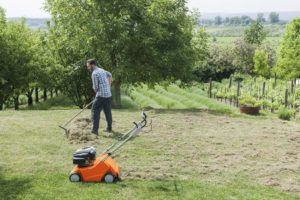
If you’re feeling ambitious and ready to tackle a larger lawn, you might want to consider investing in a mechanical scarifier like our petrol RL 540. This bad boy is designed with larger gardens in mind and will help you break up moss and thatch in no time. However, if you’ve got a smaller garden, you might prefer something like our RLA 240 battery-powered scarifier. It’s part of our AK System of tools, which all use the same batteries, and it comes with interchangeable scarifier and dethatcher attachments as standard.
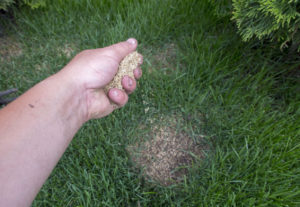
Now, here’s a word of warning: your lawn won’t look its best immediately after scarifying. But don’t worry, this is normal and your grass will bounce back in no time. Just make sure to go over your lawn with a lawnmower (but don’t set it too low!) to pick up any dead grass or moss. And if you notice any sparse patches, it might be worth reseeding your lawn. Apply some general fertiliser to help your lawn recover more quickly, and don’t forget to water it if those April showers fail to materialise.
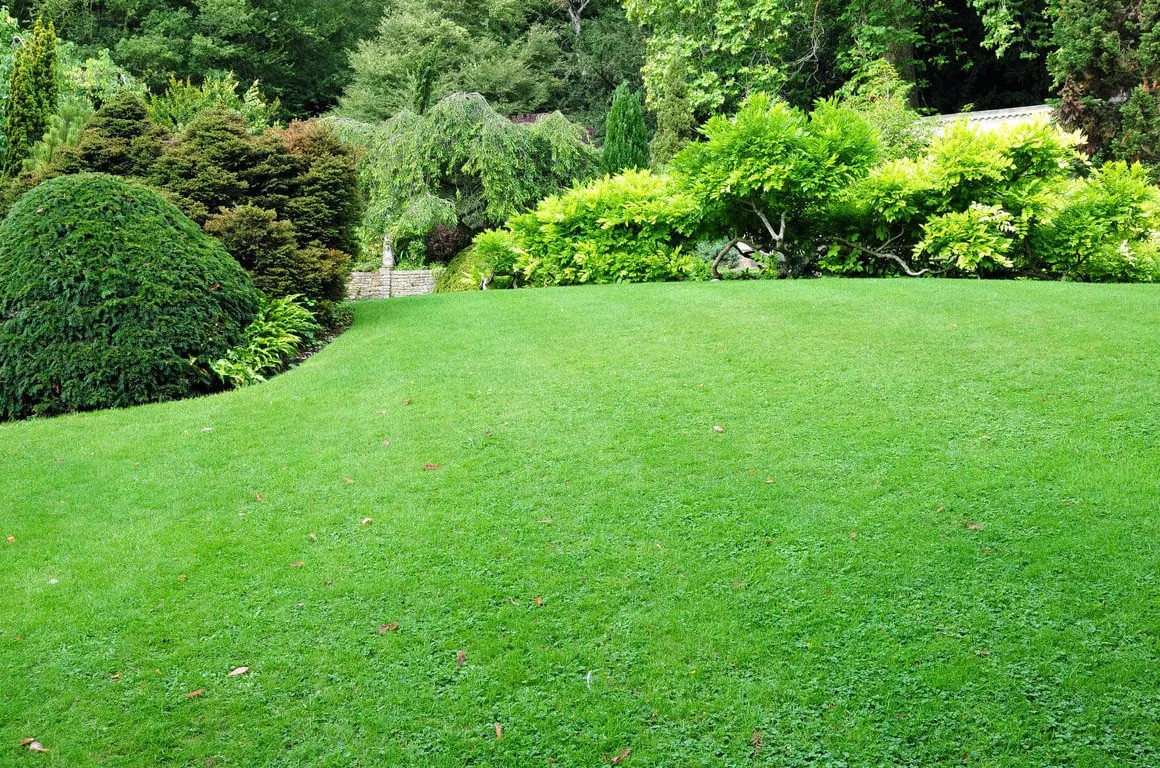
In no time, you’ll have a healthy, green lawn that will be the envy of all your neighbours. So, what are you waiting for? Get out there and start scarifying!